Get a quick contact: +86-18853787347

Cold forging is a popular manufacturing process used to produce high-quality metal parts. The cold forging process involves deforming metal at room temperature using a die and a punch. The process offers several advantages, including better surface finish, tighter tolerances, and improved mechanical properties. In this article, we will discuss the price of cold forged steel.
Table of Contents
- Introduction
- What is Cold Forging?
- Advantages of Cold Forging
- Applications of Cold Forging
- Types of Cold Forging Processes
- Factors Affecting the Price of Cold Forged Steel
- Cold Forged Steel vs. Hot Forged Steel
- Common Cold Forged Steel Grades
- How to Choose the Right Cold Forged Steel Supplier
- Cost of Cold Forged Steel
- Conclusion
- FAQs
Introduction
Cold forged steel is widely used in a variety of industries, including automotive, aerospace, construction, and manufacturing. The price of cold forged steel varies depending on several factors, including the type of steel, the size of the order, and the complexity of the part.
What is Cold Forging?
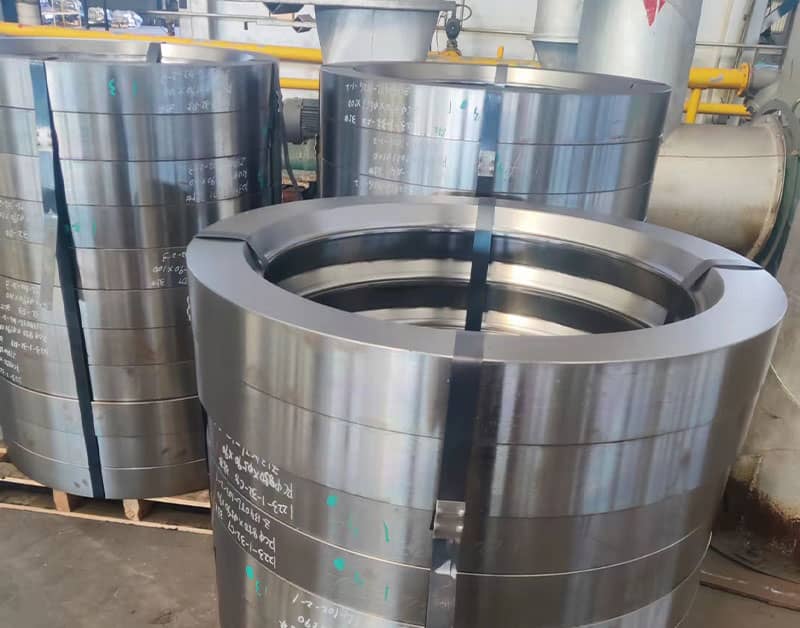
Cold forging is a manufacturing process used to shape metal parts by deforming them at room temperature using a die and a punch. The process involves applying pressure to the metal to shape it into the desired form. Cold forging is a precise and efficient process that results in high-quality parts with excellent mechanical properties.
Advantages of Cold Forging
Cold forging offers several advantages over other manufacturing processes, including:
- Improved mechanical properties
- Better surface finish
- Tighter tolerances
- Reduced waste
- Faster production times
- Lower tooling costs
Applications of Cold Forging
Cold forging is used in a variety of applications, including:
- Automotive parts
- Aerospace components
- Construction materials
- Hand tools
- Industrial machinery
- Consumer electronics
Types of Cold Forging Processes
There are several types of cold forging processes, including:
- Upset forging
- Extrusion
- Cold heading
- Coining
- Swaging
- Roll forging
Factors Affecting the Price of Cold Forged Steel
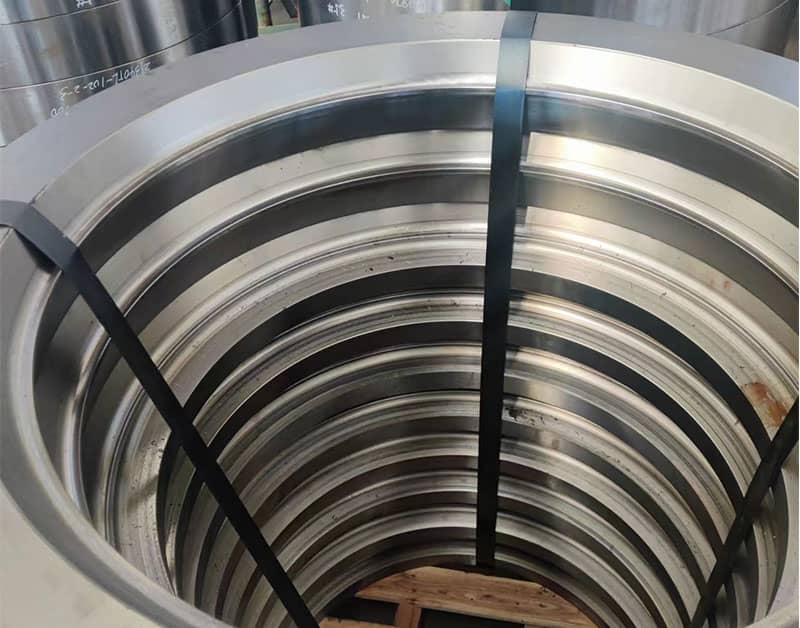
The price of cold forged steel depends on several factors, including:
- Type of steel: The price of cold forged steel varies depending on the type of steel used. Higher-grade steels typically cost more than lower-grade steels.
- Order size: The price per part decreases as the order size increases. This is because the setup costs for cold forging are spread out over a larger number of parts.
- Complexity of the part: Parts with complex geometries or tight tolerances require more time and effort to produce, which can increase the price.
- Tooling costs: Tooling costs for cold forging can be significant, particularly for small orders or custom parts.
Cold Forged Steel vs. Hot Forged Steel
Cold forged steel and hot forged steel are both used to produce high-quality metal parts, but there are some key differences between the two processes. Cold forging is performed at room temperature, while hot forging is performed at elevated temperatures. Cold forged steel typically has better surface finish and tighter tolerances than hot forged steel.
Common Cold Forged Steel Grades
There are several common grades of cold forged steel, including:
- 1018
- 1020
- 4130
- 4140
- 4340
How to Choose the Right Cold Forged Steel Supplier
When choosing a cold forged steel supplier, it’s important to consider several factors, including:
- Experience: Look for a supplier with a proven track record of delivering high-quality parts on time.
- Quality control: Make sure the supplier has a robust quality control process in place to ensure the parts meet your specifications.
- Capacity: Make sure the supplier has the capacity to handle your order size and delivery schedule.
- Price: Compare prices from several suppliers to ensure you are getting a competitive price for the parts you need.
Cost of Cold Forged Steel
The cost of cold forged steel varies depending on the factors mentioned above. In general, the cost per part decreases as the order size increases. For example, a small order of 100 parts might cost $5 per part, while a larger order of 10,000 parts might cost $1 per part.
Conclusion
Cold forging is a popular manufacturing process used to produce high-quality metal parts. The price of cold forged steel varies depending on several factors, including the type of steel, the size of the order, and the complexity of the part. When choosing a cold forged steel supplier, it’s important to consider several factors, including experience, quality control, capacity, and price.