Get a quick contact: +86-18853787347

Stainless steel is one of the most versatile and widely used materials in the world today. Its unique properties make it ideal for use in a wide range of industries, including construction, manufacturing, and transportation. One of the key benefits of stainless steel is its strength and corrosion resistance. In this article, we’ll take a closer look at stainless steel forged products and explore the ways in which they can be used to achieve optimal strength and corrosion resistance.
Introduction
Stainless steel is a type of steel that contains a minimum of 10.5% chromium. This alloy is highly resistant to rust and corrosion, making it an ideal material for a wide range of applications. Stainless steel can be formed into a variety of shapes and sizes, including sheets, coils, bars, and forgings. In this article, we’ll focus on forged stainless steel products and explore their unique properties and benefits.
What is Stainless steel?
Stainless steel is a steel alloy that contains at least 10.5% chromium. Other elements, such as nickel, molybdenum, and titanium, may also be added to enhance specific properties of the material. The addition of chromium creates a thin, invisible layer of oxide on the surface of the steel, which protects it from rust and corrosion. This oxide layer is self-repairing and can quickly reform if it is damaged or removed.
Stainless steel Manufacturing Processes
There are several methods for manufacturing stainless steel products, including casting, forging, and extrusion. Each method has its own benefits and drawbacks, and the choice of manufacturing process will depend on the desired properties of the final product.
Forging Stainless steel
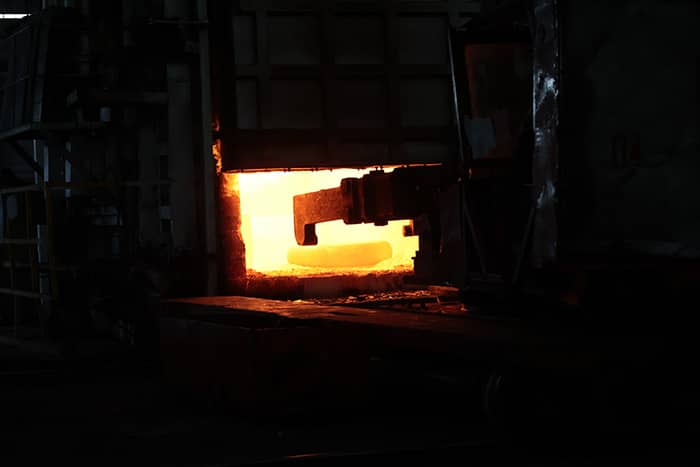
Forging is a manufacturing process in which metal is shaped by compressive forces applied through a series of dies. Forging is particularly well-suited for stainless steel because it allows for precise control over the shape and size of the final product. The forging process can also impart desirable properties to the material, such as improved strength, toughness, and fatigue resistance.
Benefits of Forging Stainless Steel
Forging stainless steel has several benefits over other manufacturing processes. Forging can improve the strength and toughness of the material, which makes it more resistant to wear and tear. Forging can also refine the grain structure of the metal, which can enhance its mechanical properties. Finally, forging can create a finished product with a high degree of dimensional accuracy and surface finish.
Strength and Corrosion Resistance
Stainless steel forged products are highly valued for their strength and corrosion resistance. Stainless steel is much stronger than many other materials, including aluminum and copper, and it is highly resistant to rust and corrosion. The strength and corrosion resistance of stainless steel can be further enhanced through the forging process, which can improve the material’s mechanical properties and refine its microstructure.
Applications of Stainless steelForged Products
Stainless steel forged products are used in a wide range of applications, including aerospace, automotive, construction, and manufacturing. Stainless steel is particularly well-suited for applications that require high strength, durability, and resistance to corrosion. Some common applications of stainless steel forged products include turbine blades, crankshafts, pressure vessels, and surgical tools. Stainless steel is also used extensively in the food and beverage industry, as it is non-reactive and easy to clean.
Considerations When Choosing Stainless Steel Forged Products
When selecting stainless steel forged products, there are several factors to consider, including the application, the required properties of the material, and the manufacturing process used to produce the product. It is important to choose the right grade of stainless steel for the intended use, as different grades offer varying levels of strength and corrosion resistance. Other factors to consider include the shape and size of the final product, the level of precision required, and the cost of production.
Maintenance and Care of Stainless Steel Forged Products
Stainless steel forged products require regular maintenance and care to ensure optimal performance and longevity. This includes regular cleaning to remove dirt, grime, and other contaminants that can cause corrosion. Stainless steel should be cleaned using a mild detergent and warm water, and dried thoroughly to prevent water spots. It is important to avoid using abrasive cleaners or steel wool, as these can scratch the surface of the material and compromise its corrosion resistance.
Advantages of Stainless Steel Forged Products over Other Materials
Stainless steel forged products offer several advantages over other materials, including high strength, excellent corrosion resistance, and a long service life. Stainless steel is also non-reactive and easy to clean, making it an ideal material for use in applications where hygiene is important. Compared to other materials, stainless steel is also highly resistant to heat and wear, which makes it ideal for use in high-stress environments.
Challenges of Forging Stainless Steel
While forging stainless steel has many benefits, there are also several challenges associated with the process. Forging stainless steel requires specialized equipment and expertise, and the cost of production can be higher than other manufacturing processes. Stainless steel is also more difficult to forge than other materials, due to its high strength and hardness. Finally, the high temperatures required for forging stainless steel can cause oxidation and other forms of surface damage.
Future of Stainless Steel Forged Products
Stainless steel forged products are likely to continue to be in high demand in the future, due to their unique properties and versatility. As new manufacturing techniques and materials are developed, it is possible that the cost of producing stainless steel forged products may decrease, making them even more widely used. Advancements in material science and engineering may also lead to the development of new grades of stainless steel with even greater strength and corrosion resistance.
Conclusion
Stainless steel forged products are a highly valued material in a wide range of industries, due to their strength, durability, and resistance to corrosion. The forging process can further enhance these properties, making stainless steel forged products ideal for use in high-stress environments. When selecting stainless steel forged products, it is important to consider the application, required properties, and manufacturing process used to produce the product. With proper care and maintenance, stainless steel forged products can offer a long service life and excellent performance.